

The “leather string” you see on cowboy jackets is usually called fringe. These are long strips of leather attached along the sleeves, chest, or back of the jacket. In some cases, the string could also be leather lacing or ties, depending on where it appears on the jacket.
If you’re new to Western clothing, it’s easy to group all these details together. But they actually serve different purposes and have different names.
1. Fringe (The Most Common Answer)
If you’re talking about the long hanging leather strips on a cowboy jacket, the correct term is fringe.
Fringe is:
-
long strips of leather sewn into seams
-
usually found on sleeves, chest, or back
-
one of the most recognizable Western design features
Originally, fringe had a practical use. It helped rainwater run off the jacket, keeping the leather from becoming soaked. Over time, it became a defining part of Western style.
This is what most people are referring to when they say “leather strings” on cowboy jackets.

2. Leather Lacing
Sometimes, the “string” you’re noticing isn’t fringe but leather lacing.
Leather lacing is:
-
used to stitch or decorate seams
-
often seen along edges or panels
-
tighter and more structured than fringe
Unlike fringe, lacing doesn’t hang freely. It’s woven or threaded through the jacket as part of its construction or decoration.

3. Leather Ties or Drawstrings
In some jackets, especially traditional or Native American–influenced styles, you might see leather ties.
These are:
-
used at the front of the jacket instead of buttons or zippers
-
sometimes used at the collar or waist
-
functional closures rather than decoration
These ties can also be mistaken for fringe, but they serve a completely different purpose.
Why These Details Exist in Cowboy Jackets
Every element of cowboy clothing originally had a purpose.
Fringe helped with water runoff and flexibility.
Lacing reinforced seams and added durability.
Ties provided simple, reliable closures.
Cowboy clothing wasn’t designed for fashion first. It was built for survival, movement, and long-term use on the frontier.
How These Features Became Part of Western Style
Over time, these functional details became visual symbols of Western culture.
Fringe, in particular, became iconic through Western films and pop culture. It added movement and character to clothing, making it stand out on screen.
Today, these elements are still used because they represent authenticity and heritage, even if their original purpose is less important in everyday wear.

What to Look for in a Quality Western Jacket
If you’re considering a cowboy-style jacket, it’s worth paying attention to these details.
High-quality fringe should:
-
be made from real leather
-
move naturally and not feel stiff
-
be securely attached
Lacing should be:
-
strong and evenly placed
-
functional as well as decorative
At WildWestWears, the focus is on real leather and cowhide jackets that carry these traditional elements in a way that reflects true Western heritage. The goal is to create durable pieces that feel authentic rather than purely decorative, aligning with the idea of long-lasting leather goods over fast fashion.
If you want to explore authentic Western jackets with fringe, lacing, or classic cowboy detailing, you can visit https://wildwestwears.com and see the collections available.
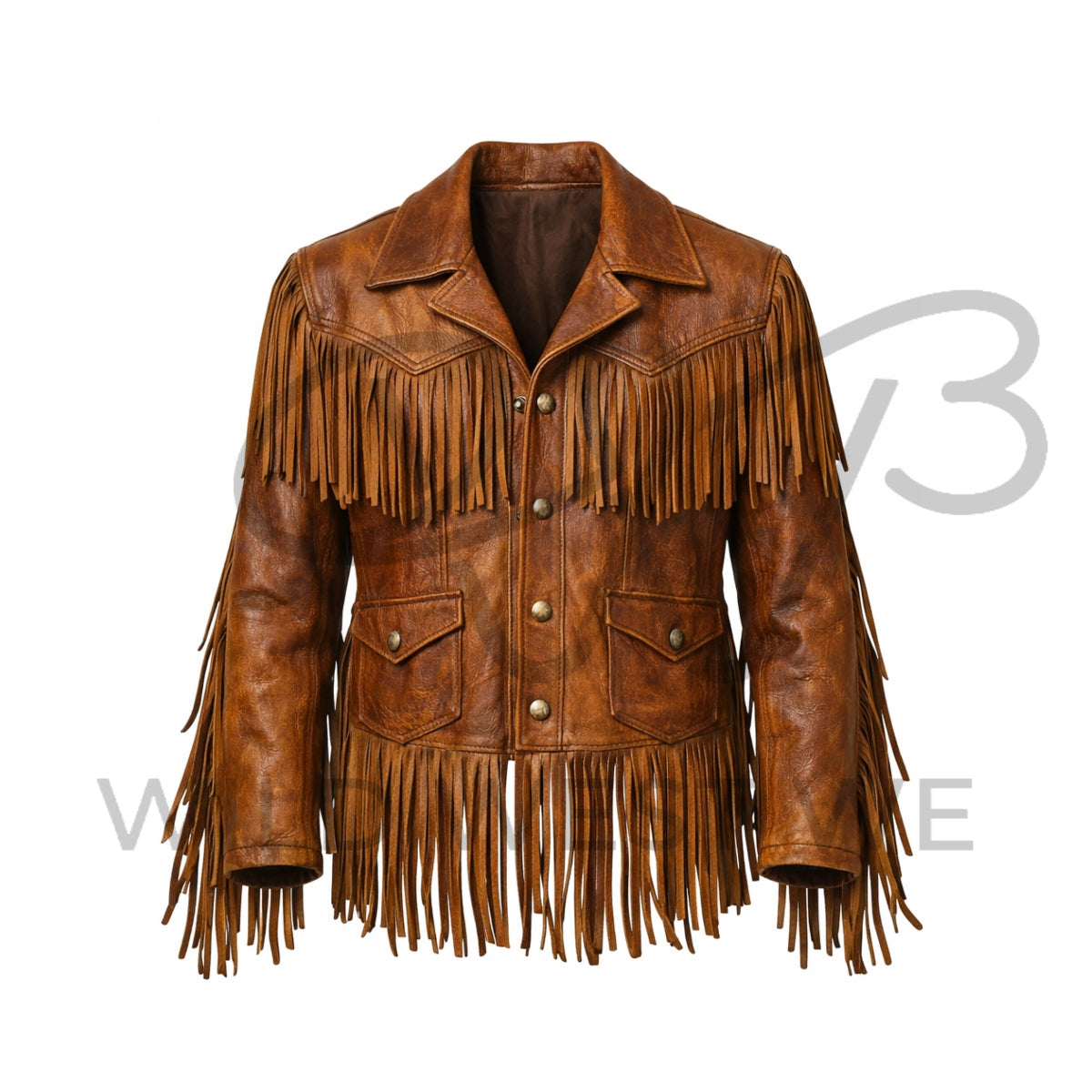
The Meaning Behind These “Leather Strings”
What might look like a small detail is actually part of a much bigger story.
Fringe, lacing, and ties all come from a time when clothing had to work in real conditions. They reflect the practical thinking of the frontier, where every feature served a purpose.
Today, they continue to represent that same spirit.
So the next time you see those leather “strings” on a cowboy jacket, you’ll know they’re not just decoration. They’re a piece of history, shaped by the needs of the people who wore them.