

Cowboy jackets don’t have just one specific name. Instead, they fall into several types depending on their design, purpose, and history. The most common names include Western leather jackets, fringe jackets, duster coats, and shearling coats. Each of these reflects a different part of cowboy life and the conditions cowboys faced on the frontier.
For someone new to Western culture, it might seem like all cowboy jackets are the same. But in reality, these garments developed out of necessity. Cowboys didn’t wear something because it looked good. They wore what worked, what lasted, and what could handle long days on horseback in unpredictable weather.
Where Cowboy Jackets Came From
Cowboy clothing was shaped by the environment of the American frontier. Riders spent most of their time outdoors, moving cattle across open land, dealing with dust, wind, rain, and extreme temperatures.
Because of this, outerwear had to be practical above all else.
Early cowboy jackets weren’t designed as “fashion pieces.” They were tools. A good jacket needed to protect against wind, resist wear and tear, and allow enough movement for riding and working with cattle.
This is why materials like leather, wool, and canvas became the foundation of cowboy outerwear.

Western Leather Jackets
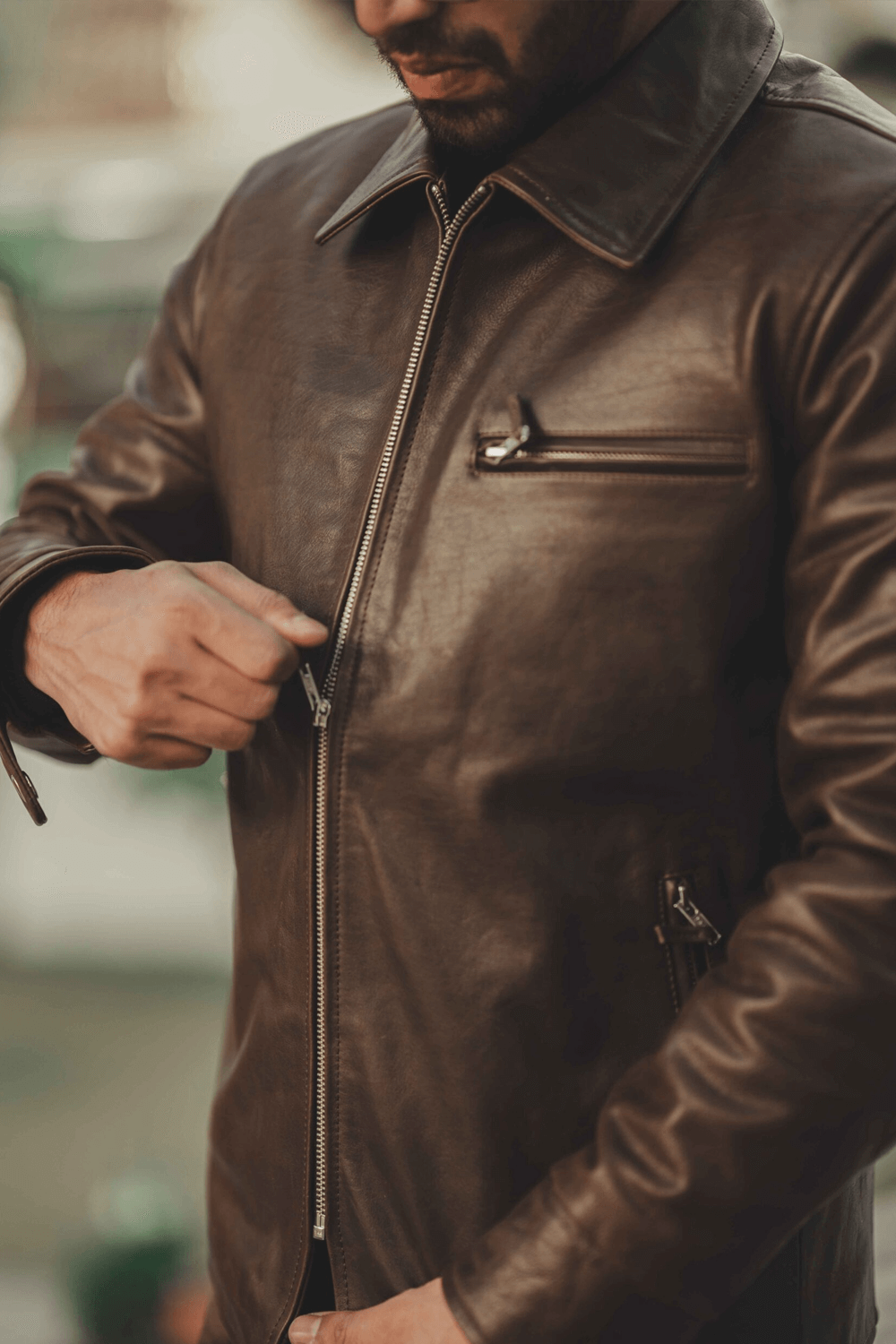
The most widely recognized cowboy jacket today is the Western leather jacket.
These jackets are typically made from cowhide or suede, chosen for their durability and long-lasting nature. Leather was one of the most reliable materials available to cowboys because it could withstand harsh conditions without tearing easily.
Western leather jackets often include:
-
strong stitching built for durability
-
structured cuts that allow movement while riding
-
simple, rugged designs
-
sometimes Western-style yokes or panels
Leather jackets were especially useful in protecting against wind and rough terrain. Over time, they became closely associated with cowboy identity, not just because of how they looked, but because of how they performed.
At WildWestWears, this is the foundation. Jackets and vests are made from real leather and cowhide, focusing on durability and authenticity rather than fast-changing trends. The goal is to create pieces that feel connected to real Western culture, not costume interpretations.
Fringe Jackets
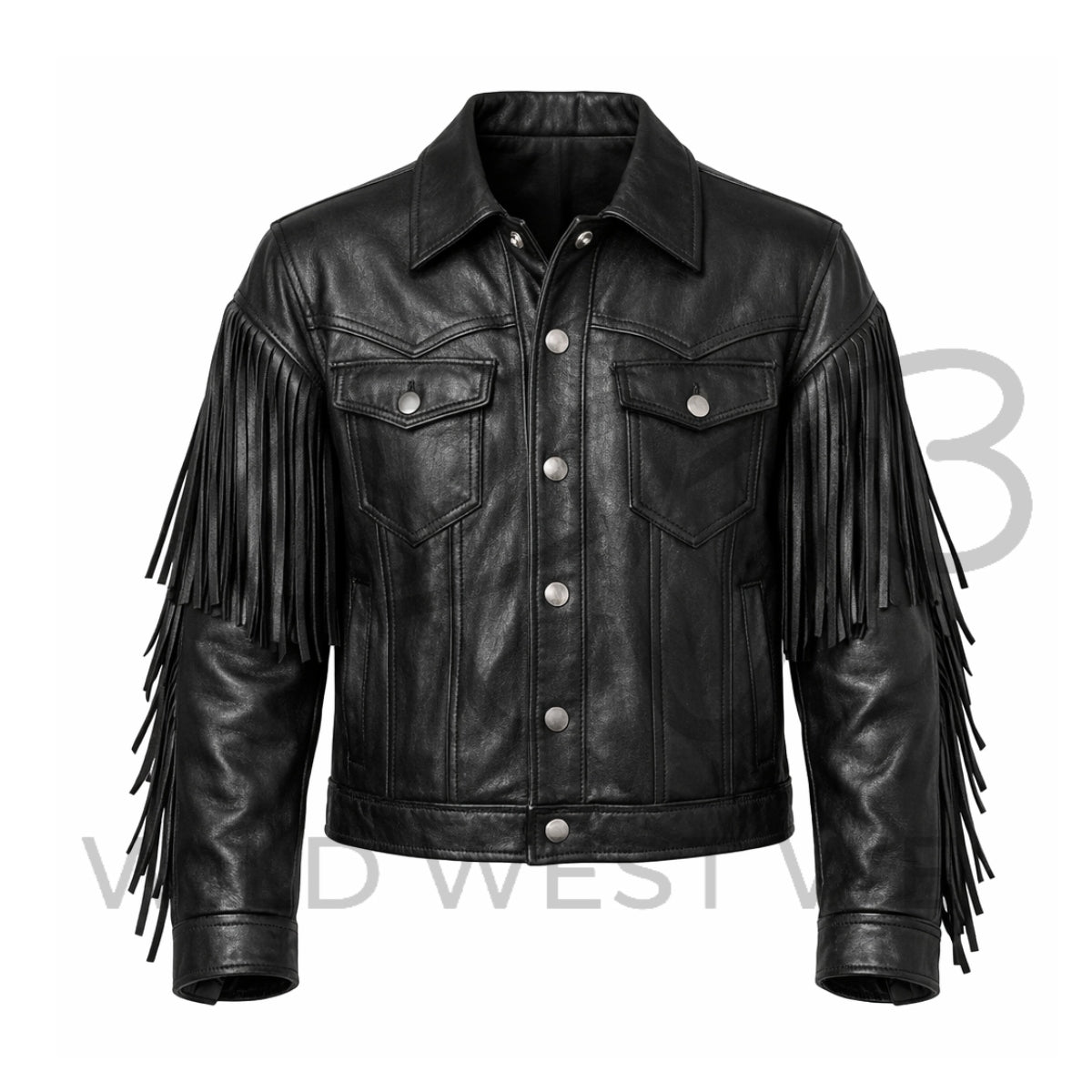
Fringe jackets are one of the most visually recognizable types of cowboy jackets, especially in films.
These are usually made from suede leather and feature long strips of fringe along the arms, chest, or back. While they might seem decorative, fringe actually had a practical function.
It helped water run off the jacket during rain, preventing it from soaking into the material. It also allowed for better movement and flexibility while riding.
Fringe jackets are strongly influenced by Native American clothing traditions and later became a staple of Western film imagery. They represent a blend of practicality and cultural influence.

Duster Coats
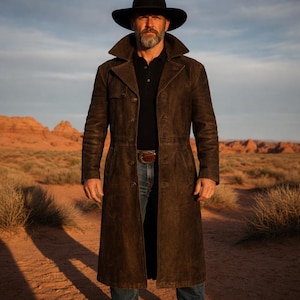
Another important type of cowboy jacket is the duster coat.
Dusters are long coats, often extending below the knees, designed to protect riders during long journeys. Their main purpose was to keep dust off clothing during cattle drives, especially on dry, open plains.
Most dusters were made from canvas, but leather versions were also used in harsher conditions where durability mattered more.
If you’ve ever seen a long coat flowing behind a rider in a Western film, that’s a duster. It’s one of the most iconic pieces of frontier outerwear.
Shearling and Winter Coats
In colder regions, cowboys needed something heavier to survive low temperatures.
Shearling coats became an important option. These jackets are made with leather on the outside and wool lining on the inside, providing insulation against cold weather.
They were especially useful during winter cattle drives or in northern territories where conditions could be much harsher than in places like Texas.
These coats weren’t about style. They were about staying warm and continuing to work in extreme conditions.

Modern Cowboy Jackets
Today, cowboy jackets have evolved into more refined versions of their original forms.
Modern Western jackets often combine traditional elements with everyday wearability. You’ll see:
-
real leather or suede construction
-
cleaner, more tailored fits
-
zippers or snap closures
-
subtle Western design details
While they are more polished than their historical counterparts, they still carry the influence of frontier clothing.
If you’re looking for something that stays true to that heritage, you can explore https://wildwestwears.com, where the focus remains on authentic Western leather jackets and vests built from real materials.
What Should You Call a Cowboy Jacket?
If you’re speaking generally, the safest terms are:
-
cowboy jacket
-
Western jacket
-
Western leather jacket
If you want to be more specific, you can use:
-
fringe jacket
-
duster coat
-
shearling coat
Each name reflects a different style and purpose within cowboy clothing.
Why Cowboy Jackets Still Matter Today
Cowboy jackets are more than just clothing. They represent a way of life built around resilience, independence, and practicality.
Every detail in these jackets comes from real needs. Protection from wind, resistance to wear, and the ability to last through years of use were all essential on the frontier.
That’s why these jackets continue to appeal to people today.
They’re not driven by trends. They’re rooted in history.
At WildWestWears, this idea is central. The focus is on creating durable leather goods that reflect identity and long-term value rather than disposable fashion.
For people who genuinely appreciate the culture of the Wild West, wearing a proper Western jacket feels like more than just putting on a piece of clothing. It feels like stepping into a legacy that has lasted for generations.
And that’s what makes cowboy jackets timeless.