

Wrapping a Western saddle horn with leather is a traditional technique used to improve grip and protect both the horn and your rope. If you’re roping regularly, a properly wrapped horn makes a huge difference in control and durability.
This isn’t just about looks. It’s about function. A good wrap helps manage friction, prevents slipping, and extends the life of your gear.
Why Wrap a Saddle Horn?
Cowboys wrap saddle horns mainly for roping.
The wrap helps:
- protect the horn from rope wear
- improve grip and control
- reduce slipping during tension
- extend the life of the saddle
Without a wrap, repeated roping can damage both the horn and your rope.
What You’ll Need
Materials:
- leather strip (latigo or similar strong leather)
- water (for softening the leather)
Tools:
- knife or cutter
- bucket or spray bottle
- gloves (optional for grip)
Latigo leather is preferred because it’s durable and slightly flexible.
Step 1: Prepare the Leather
Start by softening the leather.
- soak it briefly in water or dampen it
- make it flexible but not overly wet
This helps it stretch and wrap tightly.
Step 2: Start the Wrap
Begin at the base of the horn.
- anchor the leather strip securely
- wrap tightly around the base
- keep tension consistent
Your first few wraps are important. They set the foundation.
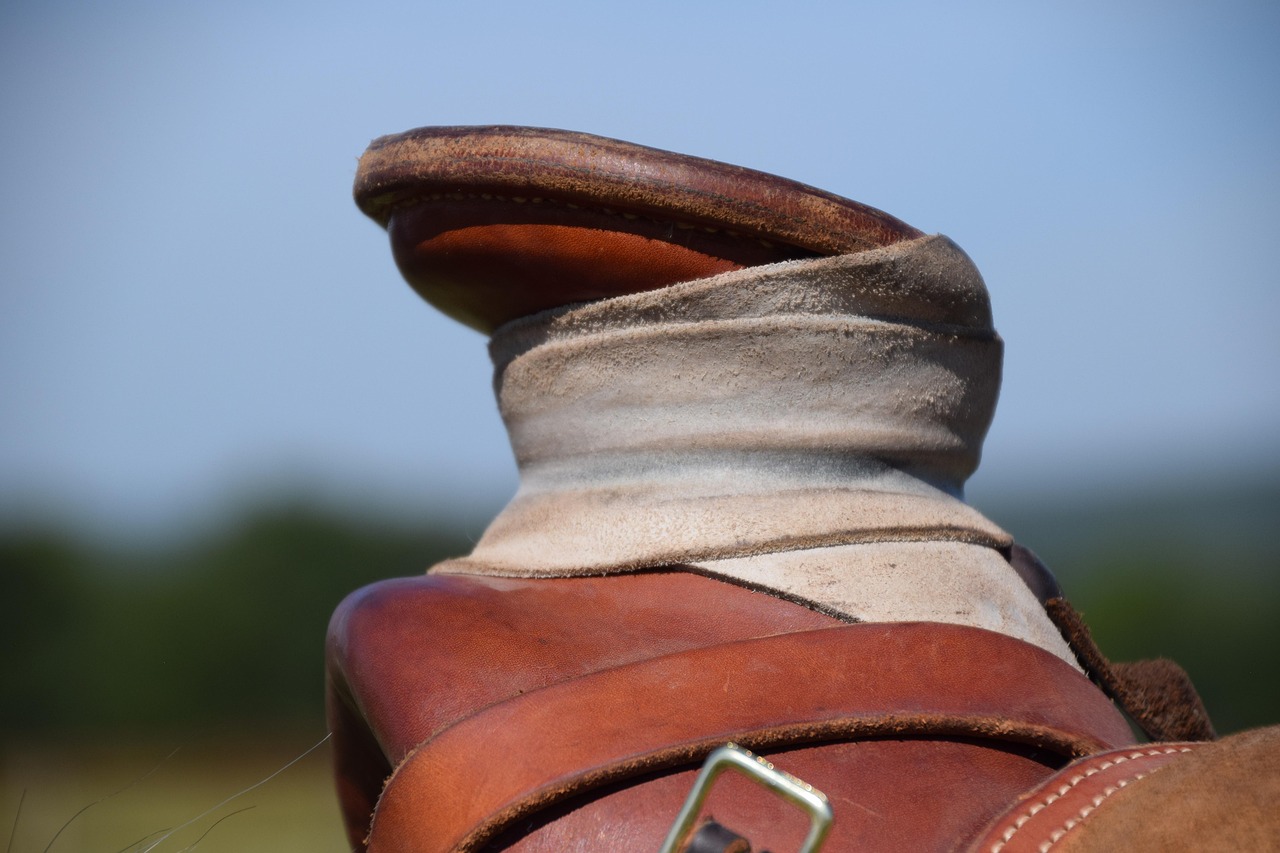
Step 3: Wrap Upward in a Spiral
Continue wrapping the leather upward.
- overlap each layer slightly
- maintain even spacing
- keep the wrap tight
Work your way toward the top of the horn.
Step 4: Cover the Cap (Top)
Once you reach the top:
- wrap across the horn cap
- ensure full coverage
- keep the leather smooth and tight
This area takes the most pressure during roping.
Step 5: Secure the End
Finish the wrap by securing the end.
You can:
- tuck it under previous wraps
- tie it off
- or use friction to hold it in place
Make sure it doesn’t loosen during use.
Step 6: Let It Dry and Set
As the leather dries:
- it tightens naturally
- holds its shape
- becomes firm and secure
Avoid using the saddle until it’s fully set.
What Makes a Good Wrap
A proper saddle horn wrap should be:
- tight and secure
- evenly layered
- smooth without gaps
- durable under tension
It should feel solid when you grip it.
Common Mistakes to Avoid
Avoid:
- wrapping too loosely
- using leather that’s too thin
- over-soaking the leather
- uneven spacing
These can lead to slipping or early wear.
How Often Should You Rewrap?
It depends on usage.
- heavy roping: rewrap regularly
- light use: check periodically
Replace the wrap when it shows signs of wear or loosening.
Why Leather Matters
Leather is used because it handles friction better than most materials.
It:
- grips well
- absorbs pressure
- lasts longer under strain
This is the same reason leather is used across Western gear.
At WildWestWears, that same focus on real leather and durability applies to jackets and vests. Built from cowhide, they are designed to handle wear and improve over time, just like traditional Western equipment.
If you’re exploring Western leather gear, you can visit:
👉 https://wildwestwears.com
Final Thought
Wrapping a saddle horn is one of those small skills that makes a big difference.
It’s not complicated, but it needs to be done right.
Because in the world of the West, even the smallest details matter.
And when your gear works the way it should, everything else becomes easier.