

Yes, cowboys did wear denim, but not in the way most people imagine today. Denim jackets as we know them now were not a common part of early cowboy clothing in the 1800s. Instead, denim was mainly used for work pants and durable shirts, while outerwear was more often made from leather, wool, or canvas. Over time, denim jackets became associated with Western style, but they are more connected to later ranch culture than the original frontier cowboys.
For someone new to cowboy history, this can be surprising. Modern Western fashion often blends elements from different time periods, which makes it easy to assume that denim jackets were always part of the cowboy look.
Where Denim Came From in Cowboy History
Denim became popular in the late 19th century as durable workwear. It was strong, affordable, and well-suited for labor-intensive jobs. Cowboys, miners, and railroad workers all relied on it, especially for trousers.
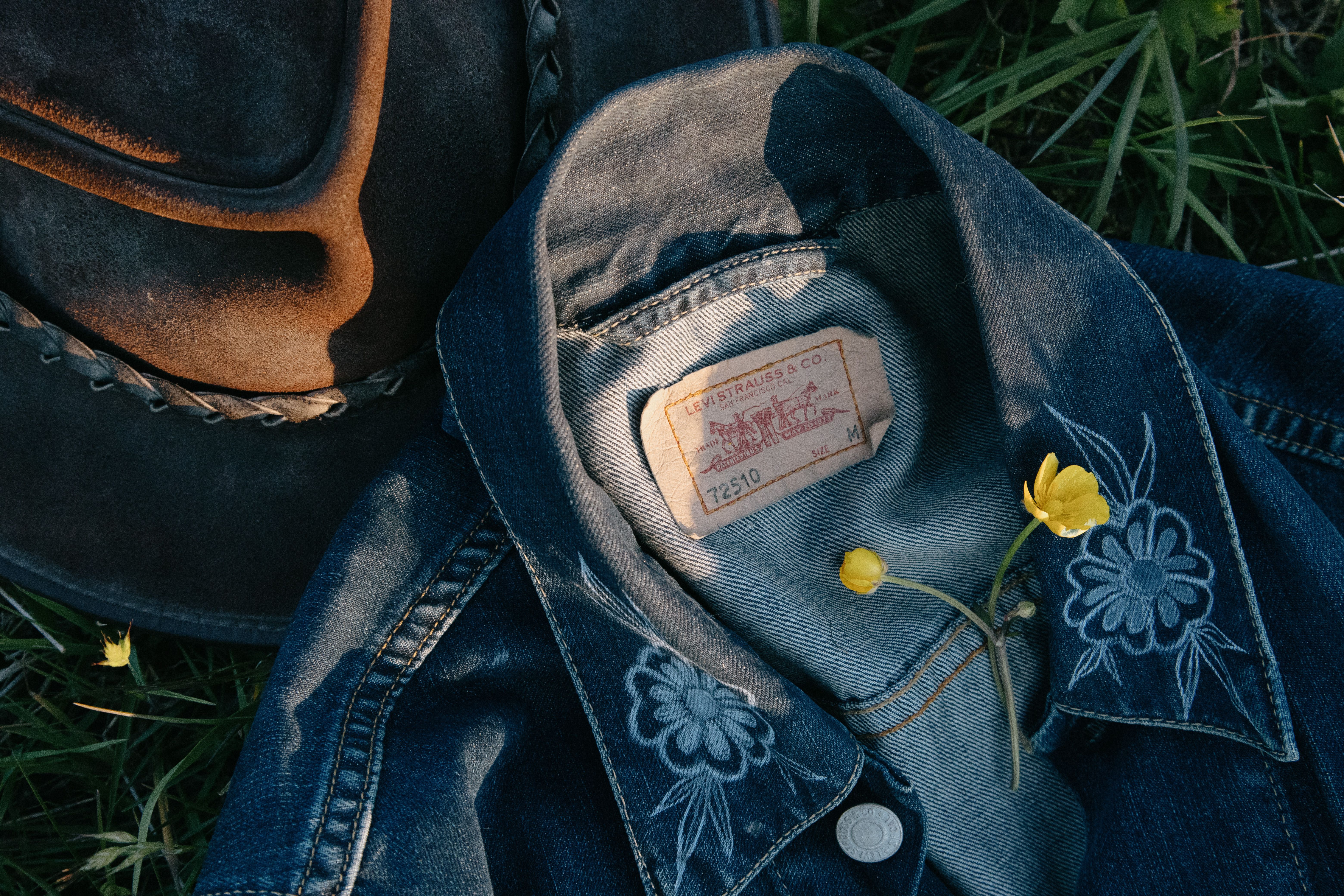
Jeans, originally designed for miners during the Gold Rush, quickly spread across the American West. Cowboys adopted them because they could handle long hours in the saddle and the physical demands of ranch work.
However, denim jackets came later. Early cowboys were more likely to wear:
-
wool coats for warmth
-
canvas dusters for long rides
-
leather jackets or vests for durability
Denim was part of their clothing, but mostly below the waist or as simple work shirts.
Why Leather Was Preferred for Outerwear
When it came to jackets, cowboys needed something that could handle the harsh conditions of the frontier. Leather was far more effective than denim for this purpose.

A leather jacket could block wind, resist rain better than woven fabric, and protect against thorns, brush, and rough terrain. On long cattle drives, where riders faced unpredictable weather, leather provided reliability that denim simply couldn’t match.
This is why leather became closely tied to cowboy identity. It wasn’t about style. It was about survival and practicality.
Even today, that same logic still applies. People who truly appreciate Western culture often prefer leather because it reflects the original purpose of cowboy clothing, not just the image.
At WildWestWears, this idea remains central. The focus is on real leather and cowhide garments that carry forward the durability and authenticity of frontier gear rather than treating Western clothing as a passing trend.
When Denim Jackets Became Popular in the West
Denim jackets became more common in the early 20th century, especially as ranching life evolved and industrial production made denim more widely available.
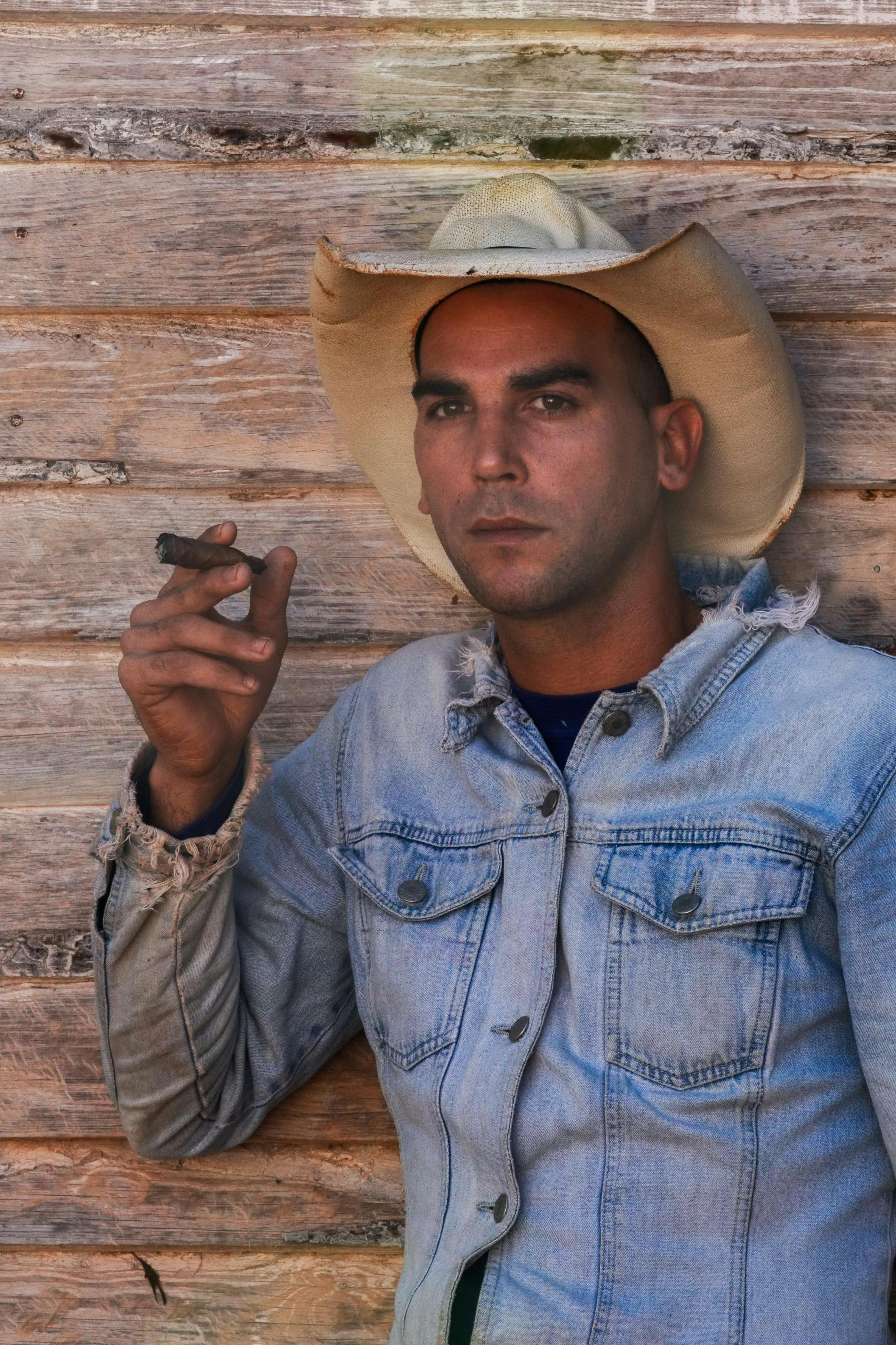
By this time, the classic cowboy era of long cattle drives was already fading. Ranch work was becoming more structured, and clothing choices began to shift slightly toward comfort and accessibility.
Denim jackets started appearing as practical workwear for ranchers, farmers, and laborers. They were lighter than leather and easier to produce, which made them more accessible to a wider range of workers.
Later, Hollywood helped popularize denim jackets as part of Western fashion. Films and television shows blended historical accuracy with visual appeal, and denim became part of the broader Western aesthetic.
This is why today you’ll often see denim jackets associated with cowboys, even though they were not a defining feature of early frontier clothing.
Denim vs Leather in Cowboy Style
Understanding the difference between denim and leather helps clarify how cowboy clothing evolved over time.
Denim represents:
-
practicality and affordability
-
later ranch and workwear culture
-
lighter, everyday use
Leather represents:
-
durability and protection
-
original frontier conditions
-
rugged Western identity
Both materials have a place in Western clothing, but they serve different purposes. Denim works well for casual wear and lighter tasks, while leather connects more directly to the demands of early cowboy life.
This distinction is important for anyone who wants to move beyond surface-level Western fashion and understand the real culture behind it.
The Influence of Western Films and Pop Culture
Movies and television have played a huge role in blending these styles together. Westerns often combine elements from different periods, which creates the familiar “cowboy look” people recognize today.
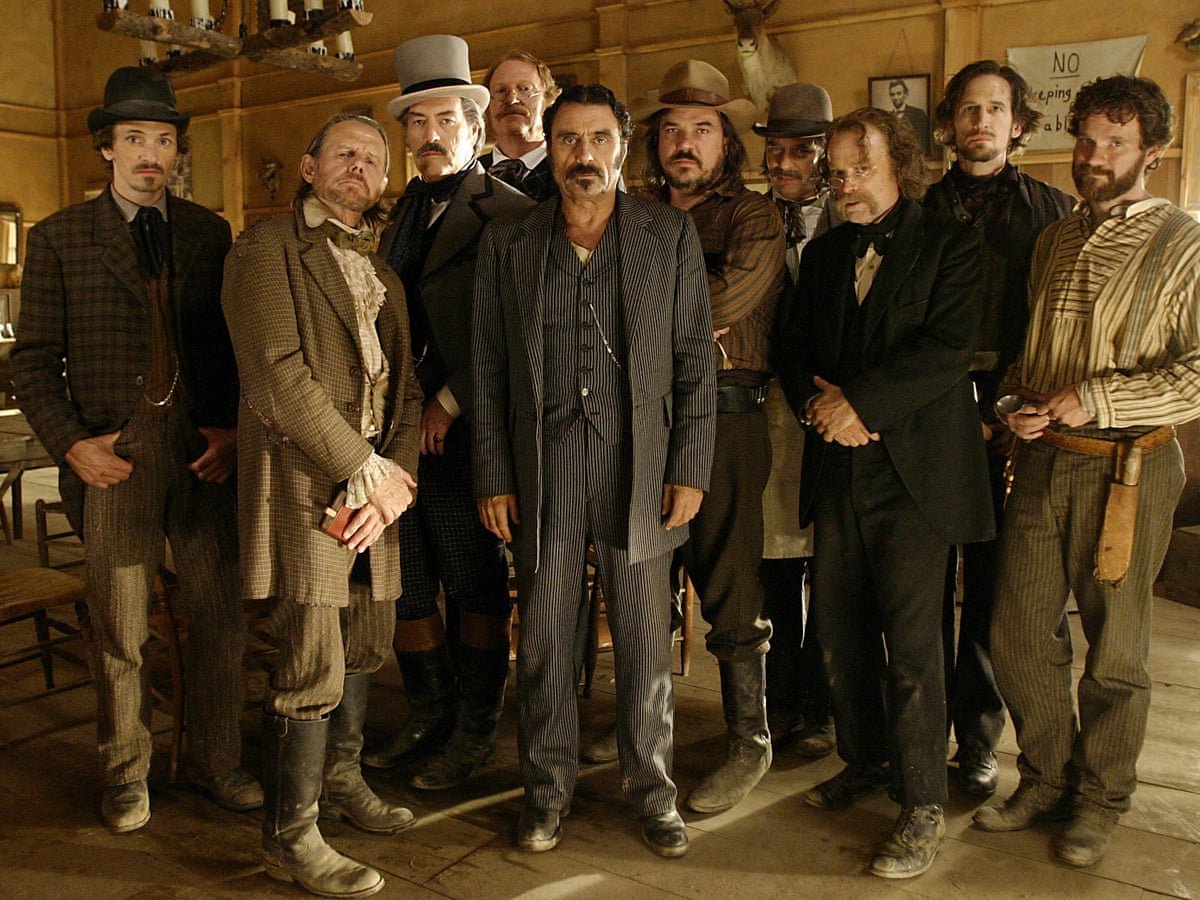
Shows like Deadwood lean more toward historical realism, where leather, wool, and practical garments dominate. Other productions mix in denim jackets and modern interpretations of Western clothing to create a more stylized image.
Because of this, many people first encounter cowboy fashion through entertainment rather than history. That’s not a bad thing. It often leads to a deeper interest in the real culture behind the clothing.
What Should You Wear If You Like Cowboy Style?
If you’re drawn to Western clothing, the choice between denim and leather comes down to what you’re looking for.
If you prefer something lighter and more casual, a denim jacket fits easily into everyday wear. It carries a Western feel but leans more toward modern interpretation.
If you’re looking for something closer to authentic cowboy heritage, leather is the stronger choice. It reflects the original purpose of Western clothing and offers a level of durability that denim cannot match.
At WildWestWears, the focus is on that authenticity. Jackets and vests are crafted from real leather and cowhide, inspired by the garments that defined life on the frontier. These are pieces made for people who genuinely connect with the culture of the Wild West, not just the image of it.
You can explore the full range at https://wildwestwears.com if you’re interested in Western leather clothing built with that mindset.

The Real Story Behind Cowboy Clothing
Cowboy clothing has never been about fashion trends. It developed out of necessity, shaped by the realities of working on the frontier.
Denim played an important role, especially in work pants and later ranch wear. But when it came to jackets, early cowboys relied more on leather, wool, and canvas to protect themselves from the elements.
Over time, both denim and leather became part of Western style, each representing a different chapter of its history.
Understanding that difference adds depth to the way we see cowboy culture today. It reminds us that behind every iconic look, there was a real purpose, a real environment, and a way of life that demanded clothing built to last.
And that is what continues to make Western wear so compelling even now.